Technology is rapidly changing the way we live. It’s changing the way we work. And so it follows that technology is changing the way we hire.
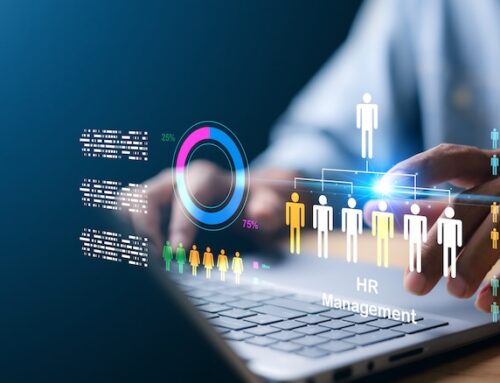
Hiring people used to be a person-to-person process. It still is. But we have a facilitator in technology to help us along. Today, we’re going to talk here about some HR technology trends that are part of a larger digital transformation trend, set to reshape the way you look at hiring people, onboarding them, and keeping them.
It’s possible some of these tech trends have already made it into your daily routines. Some could still be far-off. What we know now is that, while some are here to stay, others will evolve over the next several years to levels unforeseen.
And it’s all to the effect of making your job easier than it ever has been. That’s why we like to stress that technology is not here to steal your job. It’s here to make your job great and make you look good as an HR professional.
Human Resources: The Big Picture
You will find that human resources is becoming more experience-based and decentralized, providing for the independence and convenience of your colleagues. While before it would have seemed your company was a top-down hierarchy, the latest technological solutions are moving the apex of your company from the CEO to every individual human employee.
A benefit of this human-centeredness is that you get an opportunity to have more qualified, trusted workers on every job, because the HR tools you use will demand a more holistic picture of who your employees are. This has great potential to foster trust in working relationships, improve culture, teamwork, and employee happiness.
The other amazing thing about the future of HR is that there will be no one way to do it. With all the different tools at a company’s disposal, it can choose one of hundreds of configurations for their enterprise setup. And it will be a system that generates constant, instantaneous feedback using customer and employee data, analytics, artificial intelligence and cloud computing.
HR departments everywhere are working out these configurations as we speak. Most businesses are still in the experimental phase. But come the next ten years, many will likely be running digital enterprises like clockwork.
HR teams will be unstoppable as their access to technology grows exponentially. Here are a few HR technology trends that have arrived, and some that are on the way. These are technology’s responses to new challenges due to the COVID-19 pandemic. They are also changes in a workplace culture that were a long time coming.
Everyone Working Remote
We’ll start with the obvious. Remote work has exploded in the last few years, but especially since the COVID-19 epidemic.
This is going to prompt a lot of businesses to really utilize the cloud to host their enterprise systems. A shared, paperless system with everything in one place is going to really benefit employees at companies where they either have to, or choose to, work remote.
The remote cloud system needs to be as effective as the office system, of course. There are plenty of tools to replace the benefits of working in an office. For instance, conference call apps like Zoom have risen to replace in-person meetings. Slack and email have done wonders for employees who just want to reach out for a quick question. There are also employee monitoring tools that can be downloaded from the cloud to ensure productivity.
Experience Is More Important
Another thing that is really going to shape the future workforce is employee experience. It’s becoming more apparent that culture is a huge element of success at work. And with that, HR professionals are learning about new tools for measuring and improving culture as well.
There are tools for measuring diversity in the workplace, there are tools for more efficient surveys to get employee feedback. You will also have access to tools that better assess employee performance. This can help you improve the feedback given employees.
Those same tools can make it possible to recognize proper times to give rewards to employees when they deserve it.
That brings us to our next big trend.
Employee Data Is More Important
There is more data than ever swirling around about your employees, their history, and your history. That information can tell a lot about where you are headed together as employer and employee.
There are tools out there that can help make sense of employee data that’s been put in the system since onboarding, taken from LinkedIn or other social media. That can feed an algorithm and provide useful analytics to business leaders about what employees need.
Technologies that mine and purpose important customer data are going to be a huge oncoming trend for decades to come. There is a lot that can be predicted using data, and as we mentioned, it can improve the customer experience as well. And we’ve only begun to scratch the surface.
Contracts and Gigs
Another big trend coming down the pike is that employees are not always going to be full-time employees. There are many jobs that only require a temporary contract, or even one-time gigs at large companies.
For instance, if you are looking for someone to set up an email drip for your customers, you would probably hire an email marketing professional to do it for a fixed price rather than hiring an entire full-service marketing team to carry out all the functions of a marketing department.
Of course, what happens in that realm will vary. Other employees might work for a temporary period of time. With this being the case, information will need to be carefully managed, forms and agreements will need to be well-organized, and that will need to be balanced with satisfying gig or contingent workers you’ve hired. Although they are not your full-time employees, you want them to give you the same effort that they would otherwise.
Conclusion
Technology is changing the entire landscape of today’s workplace. But as we mentioned, the technology is people-oriented, working to make our experiences, and the experiences of our employees, more efficient and interactive than we ever imagined.